Stranded in -30°C? Winter Roadside Emergency Safety Guide for Saskatoon
Getting stranded during a Saskatchewan winter isn’t just inconvenient—it can be life-threatening. When temperatures plummet to -30°C or colder, your vehicle becomes your shelter, and knowing what to do in those critical first minutes can mean the difference between staying safe and facing serious danger. Whether you’ve broken down on Circle Drive, slid into a ditch outside the city, or run out of gas on a rural highway, this complete winter roadside emergency guide will keep you calm, warm, and safe until roadside assistance arrives.
Step 1: Pull Over Safely and Turn On Your Hazard Lights
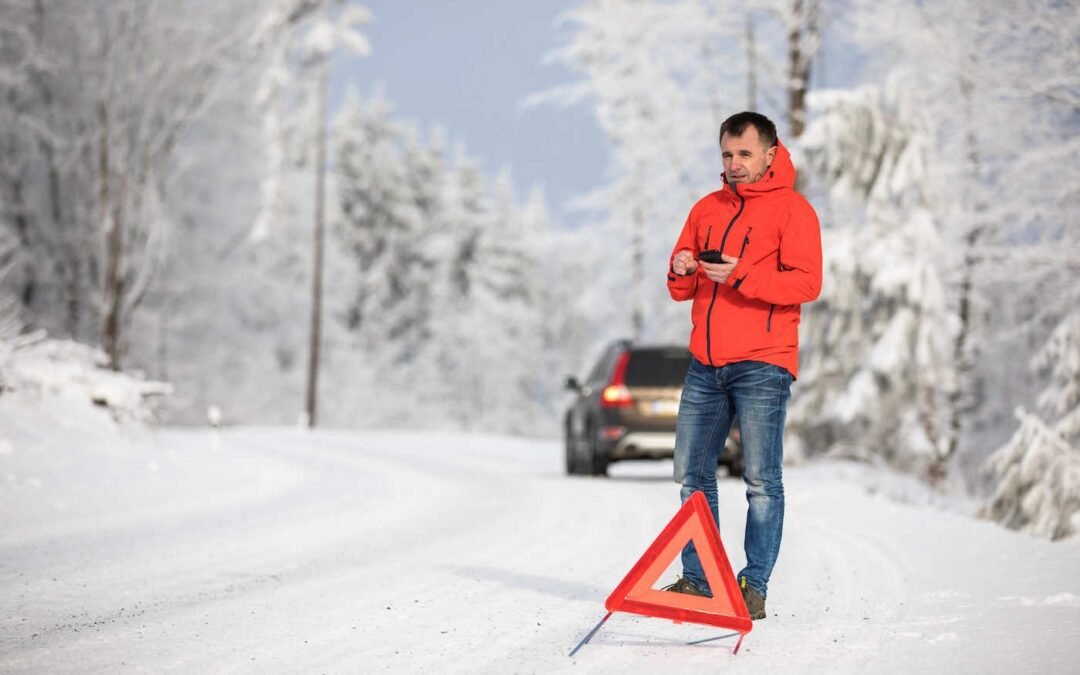
If your vehicle is still running but struggling, don’t wait for a complete breakdown. Find the safest spot possible to pull over—ideally a parking lot, rest area, or wide shoulder away from traffic. Turn on your hazard lights immediately, even during daylight hours. In winter storms or blowing snow, visibility drops to near zero, and hazard lights make your vehicle visible to approaching drivers. If you can’t safely pull off the road, stay in your vehicle with your seatbelt on and call 911 for assistance.
Step 2: Stay Inside Your Vehicle
In extreme cold, your car is your best shelter. Never attempt to walk for help unless you can see a building or gas station within 100 meters and you’re dressed appropriately. Wandering into a blizzard, even for short distances, causes disorientation, frostbite, and hypothermia. Saskatoon winters are unforgiving—wind chills at -40°C can cause frostbite in under 10 minutes. Stay inside, stay warm, and let professional help come to you.
Step 3: Call for Help Immediately
Don’t wait to see if your situation improves. Call 24-hour towing or roadside assistance as soon as you’re safely stopped. Provide your exact location using GPS coordinates, nearby landmarks, or the last highway marker you passed. If you’re on a major route like Highway 11 or Highway 16, mention the direction you were traveling. Most Saskatoon towing services provide real-time ETA updates via text, so you’ll know exactly when help arrives. Keep your phone charged and avoid making unnecessary calls to preserve battery life.
Step 4: Manage Your Engine and Heating Carefully
If your car is running, you can use the heater—but with extreme caution. Run your engine for 10 minutes every hour to warm the cabin, then turn it off to conserve fuel. While the engine runs, crack a window slightly to prevent carbon monoxide buildup, especially if snow is covering your exhaust pipe. Check your tailpipe regularly and clear away any snow or ice. Carbon monoxide poisoning is silent and deadly—even a partially blocked exhaust can cause dangerous gas to seep into your vehicle.
Step 5: Stay Warm Without Overheating
Layer up using everything available. Put on extra clothing, wrap yourself in blankets, use floor mats as insulation, and cover exposed skin with scarves or towels. If you’re with others, huddle together to share body heat. Avoid sweating—excessive moisture in your clothing reduces its insulating ability and makes you colder. Keep moving your fingers, toes, and limbs to maintain circulation, but don’t overexert yourself. Movement keeps blood flowing, but exhaustion in extreme cold is dangerous.
Step 6: Make Your Vehicle Visible to Rescuers
Visibility can drop to zero during Saskatoon snowstorms. Make your vehicle as visible as possible by keeping hazard lights on, tying a bright cloth (red, orange, or yellow) to your antenna or door handle, and turning on your dome light at night. If you have road flares or reflective triangles, place them near your vehicle—but only if it’s safe to exit briefly. Once you’re back inside, stay put. Rescuers will find you faster if you remain with your vehicle.
Step 7: Preserve Your Phone Battery
Your phone is your lifeline. Reduce battery drain by lowering screen brightness, closing unnecessary apps, and switching to airplane mode when you’re not making calls. Keep your phone warm by storing it close to your body—cold temperatures kill batteries faster. If you have a car charger or portable battery pack, use it. Most modern smartphones die quickly in freezing conditions, so conserve power and use it only for emergency communication and tracking your rescue ETA.
What NOT to Do When Stranded in Winter
Panic leads to poor decisions. Never leave your vehicle to search for help unless you can clearly see a building nearby and you’re dressed for extreme cold. Don’t run your engine continuously without monitoring your exhaust and cracking a window. Avoid alcohol—it lowers your body temperature and impairs judgment. Don’t bury yourself completely under blankets if you’re alone; you need to stay alert for rescuers. Finally, don’t ignore signs of frostbite or hypothermia in yourself or passengers—recognize the symptoms early and seek medical help immediately after rescue.
Essential Winter Emergency Kit for Your Car
Every Saskatoon driver should carry a winter emergency kit from November through April. A properly stocked kit can save your life during a roadside emergency. Transport Canada recommends including warm blankets or sleeping bags, extra winter clothing (gloves, hats, scarves, boots), non-perishable snacks (granola bars, nuts, dried fruit), bottled water (store in insulated bags to prevent freezing), a flashlight with extra batteries, candles and waterproof matches, a small shovel and kitty litter or sand for traction, jumper cables or portable battery booster, an ice scraper and snow brush, a first aid kit, and a fully charged portable phone charger. Store your kit in your trunk or back seat where it’s easily accessible.
When to Call Roadside Assistance vs. 911
If you’re stranded but safe, warm, and not in immediate danger, call professional roadside assistance or towing services. They’ll dispatch help for dead batteries, flat tires, lockouts, fuel delivery, or breakdowns. However, if you’re injured, experiencing hypothermia or frostbite symptoms, in a life-threatening situation, blocking traffic on a busy highway, or in danger from approaching vehicles, call 911 immediately. Emergency responders will coordinate with towing services if vehicle recovery is needed after medical assistance arrives.
Common Winter Roadside Emergencies in Saskatoon
Saskatchewan winters create predictable vehicle problems. Dead batteries are the most common issue—cold temperatures drain battery power and make engines harder to start. Professional battery boost service can get you running in 10-15 minutes. Flat tires happen more often in winter due to cold air pressure drops and road debris hidden under snow. Mobile tire change teams come to you with the tools and expertise to swap your flat safely. Getting stuck in snowbanks or ditches is extremely common—winching service pulls your vehicle free without causing damage. Finally, running out of gas happens when drivers underestimate travel time during storms—fuel delivery services bring gas directly to your location so you can get back on the road.
How Long Does Roadside Assistance Take in Winter?
Under normal winter conditions, most Saskatoon towing and roadside services arrive within 20 to 40 minutes depending on your location and current call volume. During severe blizzards or extreme cold snaps when call volumes spike, wait times may extend to 60-90 minutes. Reputable companies provide real-time ETAs via text or phone updates, so you’re never left wondering when help will arrive. If you’re in a dangerous location or medical emergency, dispatch prioritizes your call for faster response.
What Happens When Roadside Assistance Arrives?
When the tow truck or service vehicle reaches you, the operator will assess your situation, explain your options, and provide the appropriate service. If you need a battery boost, they’ll jump-start your vehicle and test your charging system. For flat tires, they’ll swap in your spare or tow you if the spare is damaged. If you’re stuck, they’ll use winches to pull you safely back onto the road. If your vehicle won’t start or isn’t drivable, breakdown towing transports your car to your chosen mechanic or home. Operators carry blankets, warm clothing, and emergency supplies if you’re in distress.
Preventing Winter Roadside Emergencies
Preparation beats reaction. Before winter arrives, have your battery tested—batteries older than three years should be replaced. Check tire tread depth and air pressure monthly; consider winter tires for better traction. Keep your gas tank at least half full during cold months to prevent fuel line freezing. Pack your emergency kit and inspect it regularly. Check weather forecasts before traveling and delay trips during severe storm warnings. Let someone know your route and expected arrival time when driving long distances. These simple steps dramatically reduce your chances of getting stranded.
Recognizing Frostbite and Hypothermia Symptoms
Know the warning signs of cold-weather injuries. Frostbite symptoms include numbness, white or grayish-yellow skin, skin that feels unusually firm or waxy, and clumsiness due to joint and muscle stiffness. Hypothermia symptoms include intense shivering (which stops as hypothermia worsens), confusion and memory loss, slurred speech, drowsiness or exhaustion, weak pulse, and slow, shallow breathing. If you or a passenger shows these signs, call 911 immediately, warm the person gradually using body heat and blankets, and never rub frostbitten skin. Medical treatment is essential after rescue.
Staying Calm and Positive During the Wait
Being stranded is stressful, but panic makes everything worse. Focus on the steps you’ve taken—you’re safely pulled over, help is on the way, and you’re warm inside your vehicle. Keep yourself occupied by listening to the radio, talking with passengers, or conserving battery while tracking your rescue ETA. Remember that thousands of Saskatoon drivers get help every winter, and professional services operate 24/7 specifically for these situations. You’re not alone, and help is already coming.
Frequently Asked Questions (FAQ)
How long can I safely run my car engine while stranded in winter?
Run your engine for 10 minutes every hour to warm the cabin, then turn it off to conserve fuel. Always crack a window slightly while the engine runs and ensure your exhaust pipe is clear of snow to prevent carbon monoxide poisoning.
Should I leave my vehicle to find help in a winter storm?
No. Stay inside your vehicle unless you can clearly see a building within 100 meters and you’re properly dressed for extreme cold. Walking in a blizzard causes disorientation, frostbite, and hypothermia. Your car is your best shelter.
What should I do if my exhaust pipe gets blocked by snow?
Turn off your engine immediately and carefully exit your vehicle to clear the snow from around your tailpipe. A blocked exhaust causes deadly carbon monoxide to build up inside your car. Check and clear your exhaust regularly if snow is falling.
How do I stay warm without running my engine constantly?
Layer clothing, use blankets and floor mats for insulation, cover exposed skin, and huddle with passengers if you’re not alone. Keep moving your fingers and toes to maintain circulation. Use your emergency kit’s candles for small amounts of heat if absolutely necessary.
Will roadside assistance come during a blizzard?
Yes. Professional towing and roadside services operate 24/7, including during severe weather. However, response times may be longer during extreme storms due to high call volumes and dangerous driving conditions. Operators prioritize life-threatening emergencies first.
What if my phone battery dies before help arrives?
Keep your phone warm by storing it close to your body and use it only for essential communication. If you have a car charger or portable battery, use it immediately. If your phone dies, stay visible by keeping hazard lights on and remain in your vehicle—rescuers will find you.
How much does emergency roadside assistance cost in winter?
Costs vary by service type. Battery boosts typically cost $99-$120, tire changes run $80-$110, winch-outs range from $120-$200, and towing starts at $100-$150 within city limits. Many insurance policies cover roadside assistance—check your coverage before paying out of pocket.
Can I prevent my car battery from dying in extreme cold?
Yes. Have your battery tested annually and replace it if it’s over three years old. Park in a garage when possible. Start your car daily during extreme cold snaps, even if just for 10 minutes. Consider a battery blanket or block heater for added protection in -30°C temperatures.
Final Thoughts: Be Prepared, Stay Safe, Get Help
Winter roadside emergencies are inevitable in Saskatchewan, but they don’t have to be disasters. When you know what to do, pack the right supplies, and have trusted help one call away, even the coldest breakdown becomes manageable. Whether you’re stuck in a snowbank, dealing with a dead battery, or waiting out a blizzard, staying calm and following safety protocols keeps you and your passengers protected. Don’t take chances with Saskatoon’s brutal winters—prepare now, stay alert on the road, and never hesitate to call for professional help when you need it.
Stranded in the cold right now? Call Saskatoon Towing at (639) 562-9281 for fast, professional emergency roadside assistance—24/7 service, even in -40°C blizzards. We’re on our way.