
Dead Car Battery in Saskatoon Winter? Here’s When You Need a Boost vs. a Tow
You turn the key—or press the button—and nothing happens. No engine roar, no dashboard lights, just silence or a faint clicking sound. Dead car batteries are one of the most common winter emergencies in Saskatoon, especially when temperatures drop to -30°C or below. During severe cold snaps, towing companies receive hundreds of battery-related calls daily. But here’s the key question: does your car need a simple battery boost service, or is a tow to the mechanic your only option? This guide breaks down exactly what to do when your battery dies in the cold.
Why Car Batteries Die in Saskatoon’s Winter Cold
Cold weather is brutal on car batteries. When temperatures plummet, the chemical reactions inside your battery slow down dramatically, reducing its power output by up to 60%. At the same time, your engine needs more power to start because cold oil thickens and creates extra resistance. This double hit—less battery power when you need more—is why dead batteries spike every winter. Even newer batteries can fail overnight during extreme cold, especially if your car sits unused for days or if your battery is already three years old or older.
Signs Your Battery Is Dead (Not Something Else)
Before calling for help, confirm it’s actually your battery. Common signs include dim or flickering dashboard lights, clicking sounds when you turn the key, headlights that barely glow, and complete electrical failure with no response when starting. If your engine cranks slowly but doesn’t start, that’s a classic weak battery symptom. However, if your dashboard lights work fine but the engine won’t turn over at all, you might have a starter or alternator problem—not just a dead battery.
When a Battery Boost Will Work
A battery boost (jump start) delivers a surge of electricity from an external power source to restart your vehicle. This method works when your battery has lost its charge but isn’t damaged. If your battery died because you left lights on overnight, your car sat unused during a cold snap, or temperatures dropped suddenly, a boost will likely get you running again. Professional roadside assistance teams in Saskatoon carry high-output jump starters that work even in extreme cold, providing stronger and safer boosts than traditional jumper cables.
What Happens During a Professional Battery Boost
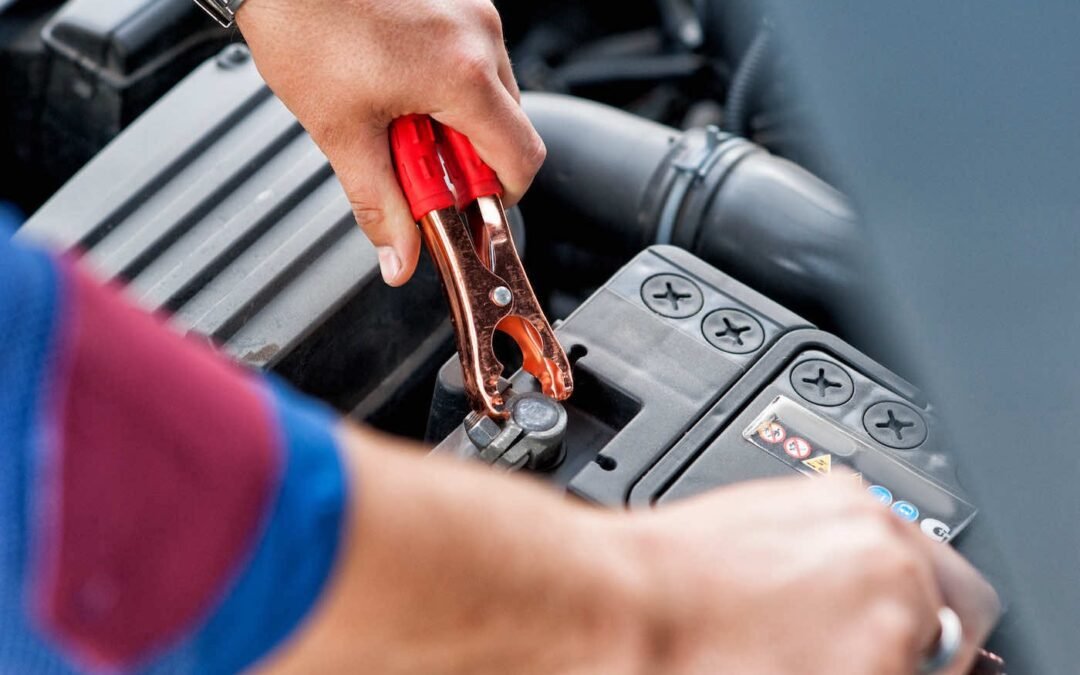
When you call for a boost, a technician arrives with commercial-grade equipment designed for cold-weather starts. They’ll connect the jumper cables to your battery terminals, provide a controlled charge, and attempt to start your vehicle. If successful, your engine will run and your alternator will begin recharging the battery. The technician may test your battery and alternator on-site to ensure they’re functioning properly. Most boosts take 10-15 minutes from arrival to driving away.
When a Boost Won’t Work—And You Need a Tow
Sometimes a boost isn’t enough. If your battery is physically damaged, completely frozen, leaking acid, or has internal cell failure, jump-starting won’t help—and could be dangerous. Warning signs include a swollen or cracked battery case, sulfur or rotten egg smell, visible corrosion around terminals, or a battery that won’t hold a charge even after multiple boosts. In these cases, you need breakdown towing to transport your vehicle to a repair shop for battery replacement.
Other Problems That Look Like Dead Batteries
Not every no-start situation is battery-related. If a boost doesn’t work, the issue might be your starter motor, alternator, ignition system, or fuel delivery. A faulty alternator won’t recharge your battery even after a successful boost, meaning your car will die again within minutes. A broken starter won’t engage no matter how much power your battery has. If you’ve tried boosting and your car still won’t start, professional diagnosis and towing to a mechanic are necessary.
How to Tell if Your Alternator Is the Problem
Your alternator keeps your battery charged while driving. If it fails, your battery drains quickly even after a boost. Signs of alternator failure include dimming headlights while driving, dashboard warning lights (especially the battery symbol), electrical accessories losing power, and your car dying shortly after being boosted. If your battery is fine but keeps dying, your alternator is likely the culprit. This requires professional repair—boosting won’t solve it.
DIY Boost vs. Professional Service: What’s Safer?
Boosting your own car with jumper cables and a friend’s vehicle can work, but it carries risks—especially in freezing conditions. Incorrect connections can damage your car’s electrical system, create sparks near the battery, or injure you. Frozen batteries can crack or explode if boosted improperly. Professional services use insulated tools, safety protocols, and high-output equipment designed for extreme cold. They also test your charging system afterward to prevent repeat failures. For peace of mind and safety, calling 24-hour towing professionals is the smarter choice.
How to Prevent Dead Batteries in Saskatoon Winter
Prevention saves time, money, and frustration. Start your car daily during cold snaps—even if just for 10 minutes—to keep the battery charged. Park in a garage when possible to protect your battery from extreme temperatures. If your battery is three years old or older, have it tested before winter hits. Keep battery terminals clean and free of corrosion. Consider a battery blanket or block heater for extra protection during -30°C nights. These simple steps dramatically reduce dead battery emergencies.
What to Do While Waiting for Help
If you’re stuck with a dead battery, stay calm and stay safe. If you’re in a parking lot or driveway, stay inside your vehicle or nearby shelter—especially in extreme cold. Turn on your hazard lights if you’re on a roadside. Share your exact location with the dispatcher, including landmarks or cross streets. Most Saskatoon towing services provide real-time ETA updates via text, so you’ll know exactly when help arrives. Keep your phone charged and avoid repeated start attempts, which can drain your battery further or damage your starter.
How Much Does a Battery Boost Cost in Saskatoon?
Professional battery boost services typically start around $99 for standard vehicles within city limits. Pricing varies based on your location, time of day, and service provider. Emergency after-hours or holiday calls may include a small surcharge. Reputable companies always provide upfront pricing before dispatching, so you’ll know the cost before committing. If a boost doesn’t solve the problem and towing is required, that service is quoted separately and can often be billed directly to your insurance provider.
Frequently Asked Questions (FAQ)
Can a frozen battery be boosted?
No. A completely frozen battery is dangerous to boost and may explode. If your battery case is swollen, cracked, or visibly frozen, do not attempt to jump-start it. You need a tow to a mechanic for safe battery replacement.
How long does a battery boost last?
If your battery is healthy, a boost should fully recharge it within 20-30 minutes of driving. However, if your alternator is failing or your battery is old, the charge may not hold and your car will die again soon.
Will CAA or insurance cover battery boosts?
Many auto insurance policies and roadside assistance memberships (like CAA) include battery boost coverage. Check your policy details or call your provider to confirm. If covered, most towing companies can bill directly.
Can I boost my car in -40°C weather?
Yes, but it’s harder. Extreme cold reduces battery efficiency and increases the power needed to start your engine. Professional boosters use high-output equipment designed for severe cold, making them more effective than standard jumper cables.
How do I know if my battery needs replacing?
Batteries typically last 3-5 years in Saskatchewan’s climate. If your battery is older than three years, struggles to start your car in cold weather, or has been boosted multiple times recently, it’s time for replacement.
What if my car starts after a boost but dies again?
This usually indicates alternator failure or a dying battery. Your alternator isn’t recharging the battery while driving. You’ll need professional diagnosis and likely a tow to a mechanic for repair.
Final Thoughts: Know When to Boost, Know When to Tow
Dead batteries are frustrating, but they’re also one of the fastest roadside problems to solve—when handled correctly. Whether your battery just needs a quick boost or requires professional replacement, knowing the difference saves time and prevents damage. Saskatoon’s winter weather is unforgiving, but reliable help is always available. Don’t let a dead battery ruin your day—or risk making it worse with unsafe DIY attempts. Professional emergency towing service teams are ready 24/7 with the tools, training, and experience to get you moving safely.
Dead battery right now? Call Saskatoon Towing at (639) 562-9281 for fast, professional battery boost service—available 24/7, even at -40°C.